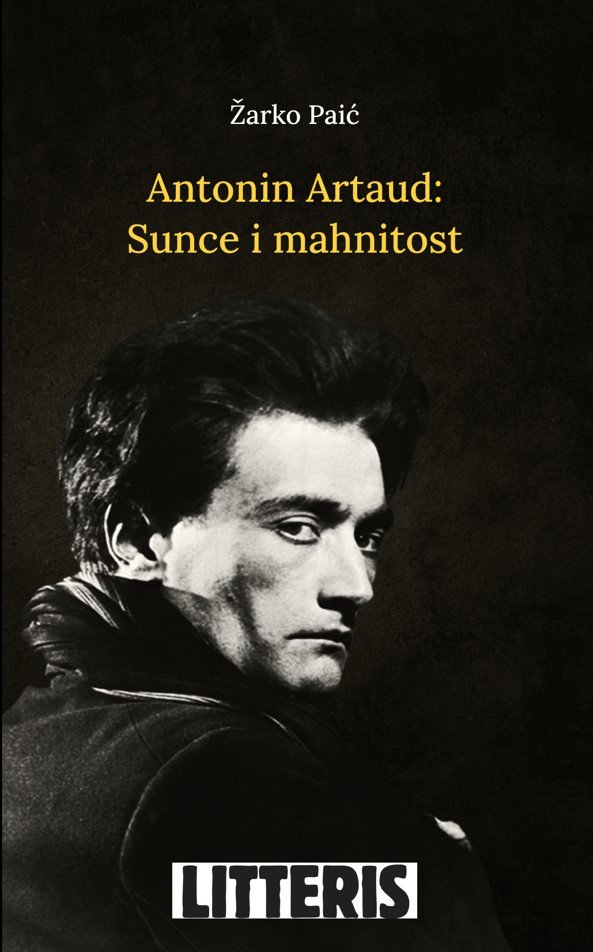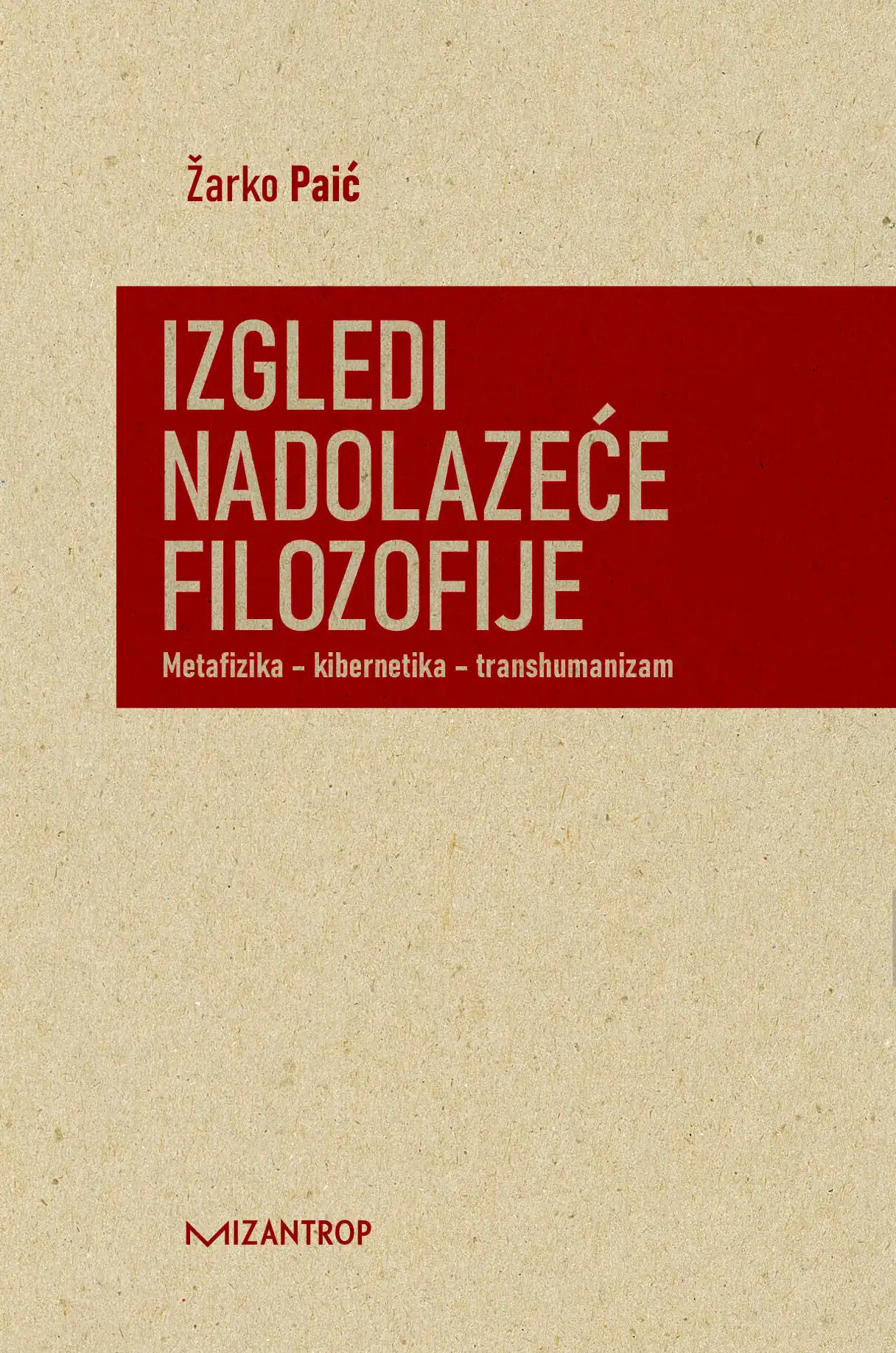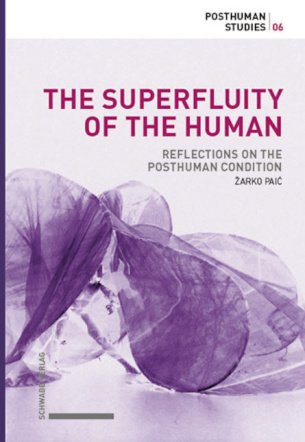
ʺIn visual arts and contemporary cyberculture, the human body, both in its natural and artificial forms, is at stake. Paić analyses this topic by considering the body through its immanent boundaries and interactions with other bodies and contexts.The human body, in fact, can be understood neither as bare thing nor as biopolitical machine – the body is an event. Paić develops this statement and discuss clearly and thoroughly not only the 'return of the body' in our culture, but also the performative-conceptual turn in contemporary arts.ʺ
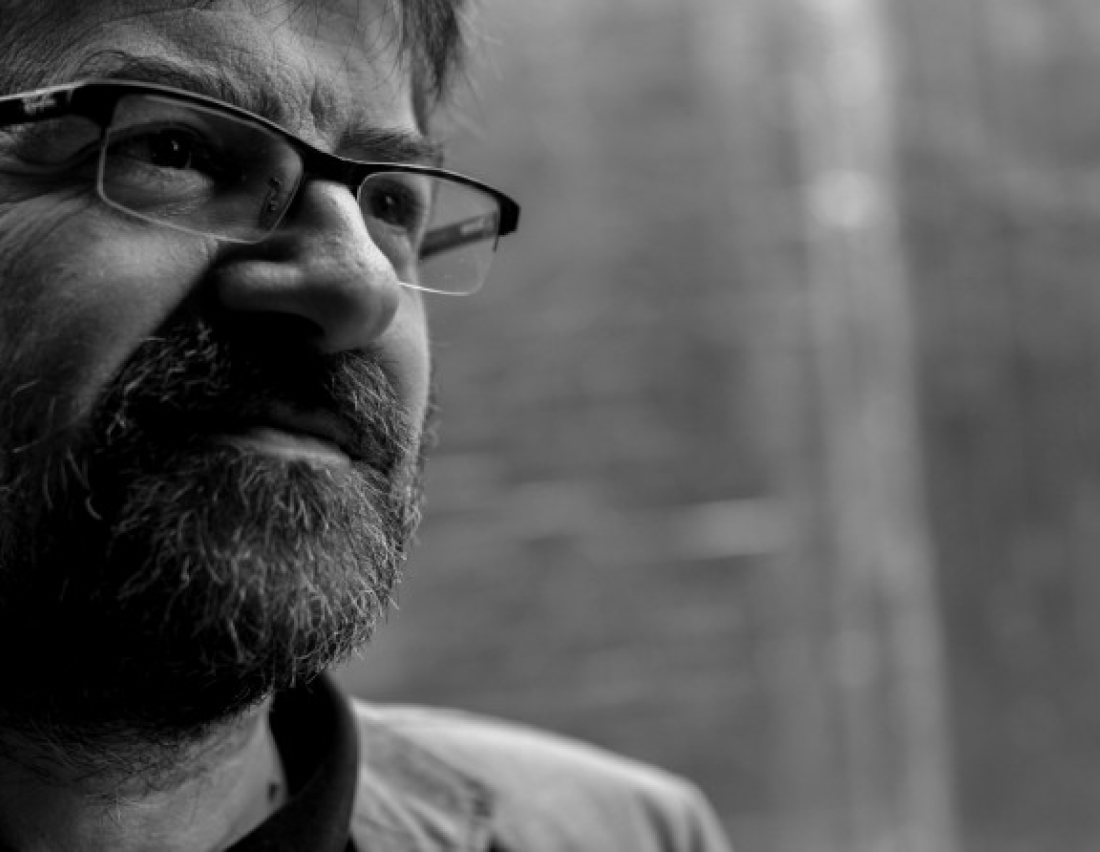
Adriano Fabris, Professor of Moral Philosophy, Pisa University, Italy
Biography
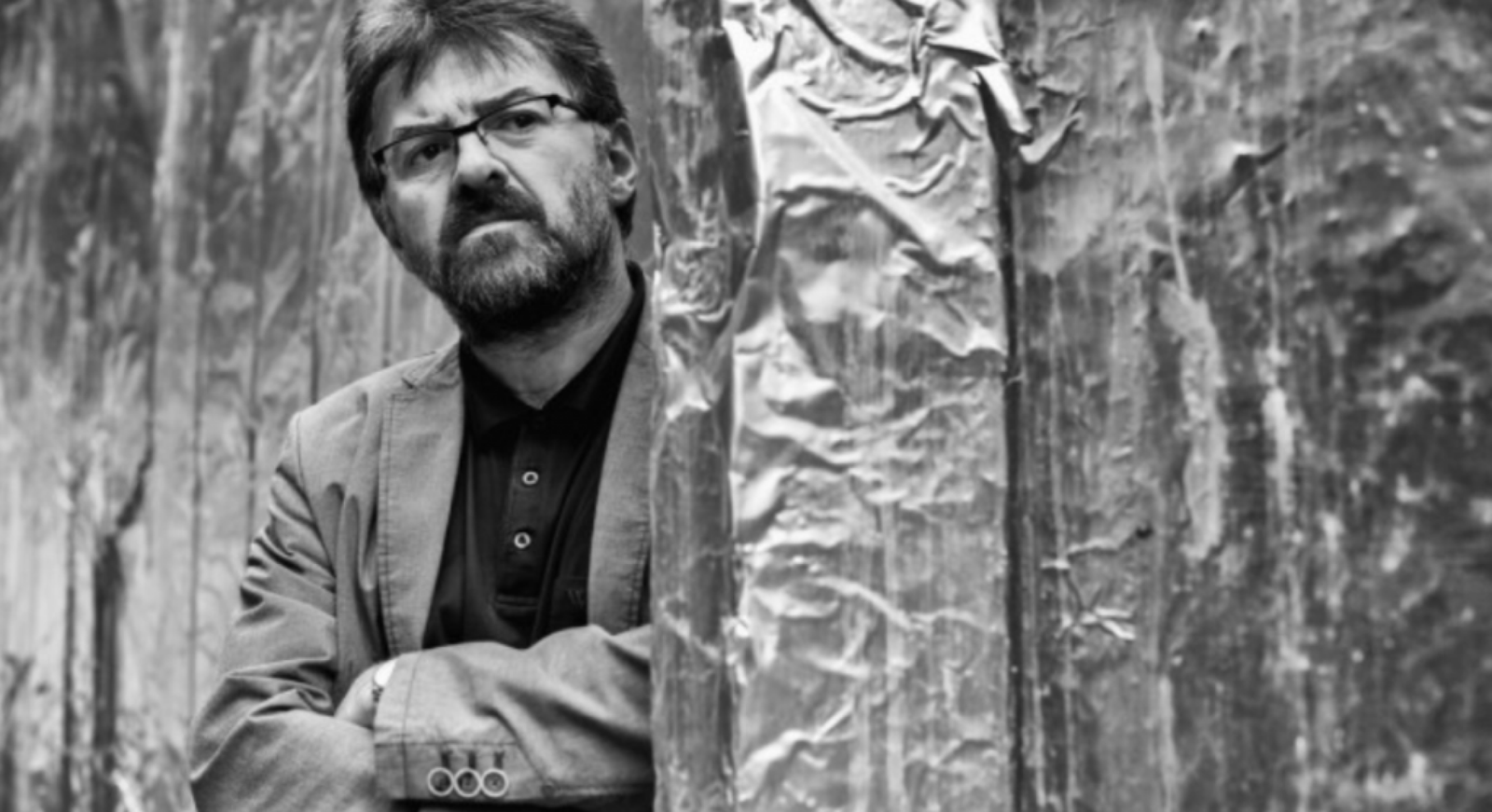
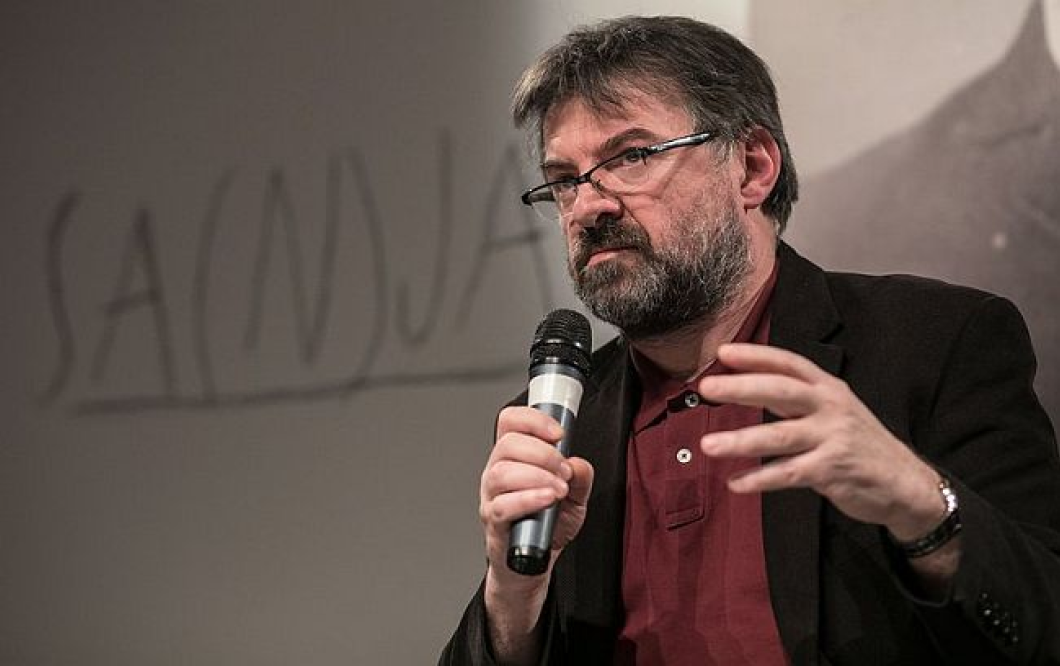
Žarko Paić was born on October 16, 1958, in Kutina, Republic of Croatia. He is a full professor at the Study of Fashion Design at the Faculty of Textile Technology, University of Zagreb, where he teaches theory of science, aesthetics and fashion theory. He graduated in political science at the Faculty of Political Sciences in Zagreb, received a master's degree in philosophy from the same faculty, and a doctorate in sociology at the Faculty of Philosophy in Zagreb. He is the editor-in-chief of the magazine Theory, Culture and Visual Arts Tvrđa, guest editor of the magazine Up & Underground, deputy editor-in-chief of the magazine Europski glasnik, member of the editorial board of the magazine forvisual arts Art-e-fact, member of the international council of the magazine Images: Journal for Visual Studies, member of the editorial board of the American magazines International Journal of Philosophy and Philosophy Study, member of the international council of the philosophical magazines Phainomena and Apokalipsa (Ljubljana, Slovenia). He teaches the course Visual Communication and Image Theory at the post-graduate doctoral study of Cultural Studies at Josip Juraj Strossmayer University in Osijek, and the course Digital Aesthetics at the post-graduate doctoral Study of Literature, performing arts, film and Culture at the Faculty of Philosophy, University of Zagreb. In addition to philosophical, sociological, and political studies and studies in the field of art theory and aesthetics, he publishes poetry and literary essays. His poems were included in three anthologies of contemporary Croatian poetry. Translations of studies, essays and poetry in magazines and anthologies into English, French, German, Slovenian, Hungarian, Romanian and Slovak. He is the winner of the international author's Award for the Literature of Central European Countries of the Austrian Foundation Kulturkontakt from Vienna for the year 2008. He is a member of the Croatian Society of Writers, the Croatian PEN Center, the Croatian Philosophical Society, the Forum for Humanities, the International Center of Studies on Contemporary Nihilism, the Sören Kierkegaard Institute, and the Institute for European and Globalization Studies. He is a foreign member of the Academy of Sciences and Arts of Bosnia and Herzegovina in the field of humanities. He is the head of the scientific research project Science of Pictures: Visualization and Contemporary Art at the Center for Visual Studies in Zagreb and is the editor of the Sociology and Transhumanism Series in the imprint within the Trivent Publishing from Budapest.
Blog

Novo mišljenje politike

1. An-arhé u mišljenju politike i estetike izvan tradicije „političke filozofije“ od Lea Straussa i Hannah Arendt u 20. stoljeću, ali u dodiru s idejama političke emancipacije Josepha Jacotota i Karla Marxa te anarhizma, obilježava teoriju politike kao nesuglasnosti (la mésentente) u spisima Jacquesa Rancièrea. Ono što je ovdje posebno istaknuto odnosi se na mišljenje […]

December 17, 2025
martin-heidegger

Življenje i smrt kao smisao bitka i kao postajanje događajem

1. Riječ „život“ rijetko ćemo pronaći u Heideggerovim knjigama i predavanjima, osim kad se kritički usmjerava na redukciju bitka na različite „filozofije života“ od Diltheya do Schelera. Pojam „života“ uzurpirala je biologija kao moderna znanost u smislu produžetka fizike i kemije drugim sredstvima, tako da se povratak dostojanstva življenju života nakon Nietzschea i njegove „vitalističke […]

December 16, 2025

Eduard Hanslick i spor oko „čiste glazbe“

1. Zašto je romantika toliko čeznula za ponovnim uspostavljanjem cjeline i zaokruženosti bitka s pomoću umjetnosti glazbe? Nije li znakovito da je Wagnerova ideja „umjetničkoga djela budućnosti“ (Kunstwerkes der Zukunft) ona koja teži sjedinjenju muzike, drame i inscenacije djela na pozornici? Očito je da se osobito u njemačkome duhovnome krugu 19. stoljeća pojavilo mišljenje da […]

December 15, 2025